
Fadlullah Wilmot ||| 9 Oktober 2025
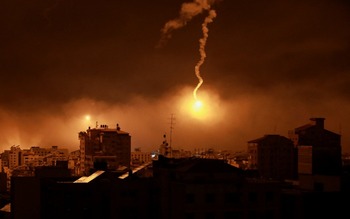 The death toll in Gaza after two years of genocidal conflict, may plausibly exceed 700,000 deaths, over 31% of its population of approximately 2.2 million. This staggering figure is made up of both the violent fatalities due to the bombing and shelling and even more deaths caused by imposed deprivation through the siege, starvation, and the collapse of essential services. This estimate is grounded in peer-reviewed epidemiological models and conservative expert assessments, revealing the scale of genocide unfolding in Gaza since October 2023.
Official data from the Gaza Ministry of Health report approximately 67,000 confirmed violent deaths as of October 2025. This chilling number represents the minimum verified toll amid shattered health infrastructure and collapsed data collection systems and those dead under the rubble of buildings. Famine, officially confirmed by the Integrated Food Security Phase Classification (IPC) in August 2025 has led to deaths due to starvation, acute malnutrition, and preventable deaths. Over half a million people are now in a catastrophic condition (IPC Phase 5) which is the highest danger level. The IPC projects a continued worsening of acute malnutrition, especially among children, with thousands at risk of death.
The Destruction of Gaza’s Healthcare System and Targeting of Medical Personnel
The lethal combination of relentless bombardment and siege severely damaged Gaza’s healthcare infrastructure. Approximately 94% of hospitals and health facilities were damaged or destroyed, with the remaining facilities overwhelmed at around 225–300% occupancy. Medical supplies are critically low, with shortages affecting over half the essential medications and life-saving equipment.
Equally devastating is the targeted killing and detention of medical workers. Since the conflict began, over 885 healthcare professionals — doctors, nurses, and paramedics — have been killed, with many more injured. Hospitals and clinics have faced repeated attacks, constituting grave violations of international law and critically undermining Gaza’s capacity to provide care.
The Hidden Horror: Indirect Deaths from Deprivation
Eminent global health experts, including Professor Devi Sridhar of the University of Edinburgh, estimate that indirect deaths from starvation, disease, and healthcare collapse can be at least four times the number of direct violent deaths in prolonged siege conditions like Gaza’s. This is a conservative estimate. In some conflicts it could be as high as 1:16. Applying this conservative ratio to the verified violent death toll suggests that hundreds of thousands more have perished beyond battlefield casualties. The destruction of hospitals, water and sanitation infrastructure, and medical supply chains compounds this crisis, with hospital occupancy rates exceeding 225% and critical shortages of medicines and equipment.
Famine and malnutrition do not take lives in a linear fashion—they cause an exponential increase in deaths as weakened immune systems and deteriorated health make even minor illnesses fatal. This tragic reality has been starkly evident in Gaza, where mortality from malnutrition-related causes has surged sharply, especially among children.
Children, the Most Vulnerable Victims
Children have borne a disproportionate share of Gaza’s suffering. Official minimum counts report over 20,000 children killed since the conflict began; however, given that children represent about 40% of Gaza’s population and experience heightened vulnerability, child fatalities likely number between 250,000 to 300,000 or more in the total death toll that likely exceeds 700,000. Tens of thousands more children have been maimed, severely malnourished, psychologically traumatised, or permanently disabled. The destruction of schools, clinics, and homes threatens an entire generation’s future, turning the crisis into an enduring human tragedy.
The Catastrophic Impact on Gaza’s Population and Infrastructure
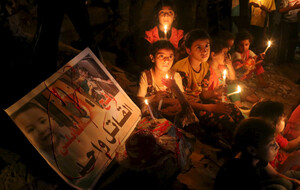
Gaza’s pre-war population of approximately 2.2 million has suffered catastrophic losses with an estimated more than one-third of its people killed or critically injured. Approximately 177,000 to 179,000 people have been injured, many with severe life-altering wounds including amputations, burns, and neurological damage.
Almost the entire population of Gaza has been displaced at least once, with many displaced multiple times. UN data estimates that about 1.9 million people (some 90% of Gaza’s population) have been displaced during the war, with over 780,000 displacement movements recorded from March to August 2025 alone. This relentless displacement compounds the humanitarian catastrophe, uprooting communities and fracturing the social fabric.
The ongoing siege and bombardment have decimated essential services, forcing survivors into overcrowded, resource-starved shelters. Healthcare system collapse includes the loss of hospital beds, critical water shortages, and rampant malnutrition, leaving survivors trapped amid a humanitarian emergency of unprecedented scale.
A Global Moral and Political Emergency
The data and human stories from Gaza form an indisputable record of genocide by violence and deprivation. The international community must urgently:
- End the siege and blockade strangulating Gaza’s lifelines,
- Guarantee unrestricted humanitarian aid and medical supply access,
- Rebuild critical healthcare, water, sanitation, and essential infrastructure,
- Pursue accountability through international law for war crimes and crimes against humanity.
Every day of inaction deepens the death toll and moral failure. The horrific scale of this genocide demands immediate recognition and a concerted global effort to halt the carnage and restore dignity to Gaza’s people.
 Haji Fadlullah Wilmot is a Director at the Islamic Renaissance Front. He formerly served at universities in Indonesia, Malaysia and Australia but after the tsunami in Aceh became involved in the humanitarian and development sector. He has worked in Indonesia, the Philippines, Malaysia, Cambodia, Vietnam, Solomon Islands, Bangladesh, Pakistan, Jordan, Lebanon, Kenya, Sudan, Somalia, Afghanistan and Iraq. As a volunteer with the Australian Muslim Advocacy Network he is now monitoring anti Muslim hate speech in the electronic as well as social media that is exploding in response to right wing posts about what is happening in Gaza and also works with organisations supporting Muslim converts.